Introduction to Smart TVs in 2026
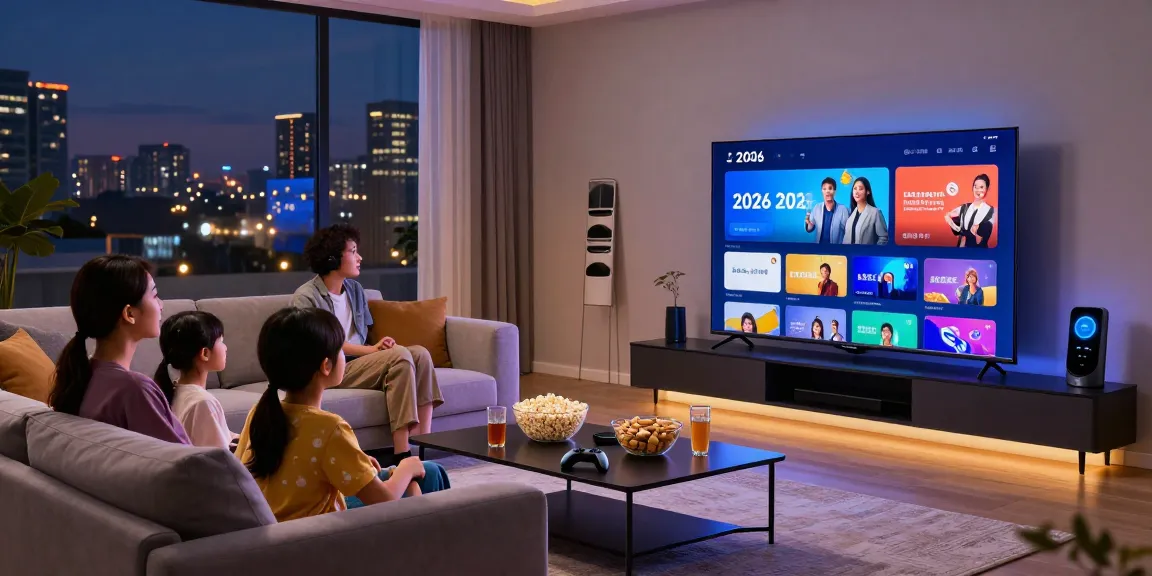
As we dive into 2026, the landscape of television technology continues to evolve at an unprecedented pace. Smart TVs are no longer just a luxury; they have become a staple in households around the globe. The integration of advanced technologies, improved connectivity, and an ever-growing array of streaming services underscore their significance. The year 2026 is poised to introduce an array of innovative features and enhancements that will redefine how we consume content, interact with our devices, and enjoy immersive experiences. When exploring options, smart TV 2026 provides comprehensive insights into the latest advancements and offerings available to consumers.
Importance of Smart TV Technology
The importance of smart TV technology cannot be overstated. In today’s fast-paced world, viewers demand instant access to their favorite shows, movies, and games. Smart TVs enable users to connect to the internet, access streaming services, and enjoy a variety of applications—all from the comfort of their couch. This connectivity fosters a more personalized viewing experience, allowing for tailored content recommendations and seamless integration with other smart home devices.
Evolution and Trends of Smart TVs
Over the past decade, we have witnessed a remarkable evolution in smart TV technology. From the early days of basic streaming capabilities to the current offerings boasting 4K resolution, HDR support, and advanced AI features, the journey has been transformative. In 2026, several key trends are expected to shape the smart TV market:
- Mini LED Technology: Mini LED offers improved brightness and contrast ratios, making it a preferred choice for high-end models.
- Enhanced AI Integration: With voice assistants becoming more sophisticated, users can expect a more interactive experience.
- Improved User Interfaces: Manufacturers are focusing on intuitive interfaces that simplify navigation and enhance user engagement.
What to Expect in 2026 Smart TVs
As we look to the future, 2026 smart TVs are anticipated to feature several groundbreaking advancements. Expect to see the proliferation of OLED and QLED displays that deliver stunning picture quality, the integration of 8K resolution in mainstream models, and a focus on energy efficiency. Additionally, smart TVs will increasingly leverage machine learning algorithms to enhance user experience, providing personalized content based on viewing habits and preferences.
Top Smart TV Brands and Models for 2026
Leading Manufacturers: LG, Samsung, Sony
When it comes to smart TVs, a few brands consistently stand out for their quality and innovation. In 2026, LG, Samsung, and Sony are expected to lead the market:
- LG: Renowned for its OLED technology, LG continues to push the boundaries with stunning display quality and innovative features.
- Samsung: Known for its QLED displays, Samsung focuses on brightness and color accuracy, making it a favorite among consumers.
- Sony: With a commitment to cinematic experiences, Sony’s lineup often includes advanced sound technology and exceptional picture quality.
Best Budget Options for Smart TV 2026
For consumers seeking value without compromising quality, several budget-friendly options are expected to emerge in 2026. Brands like TCL and Hisense are poised to offer affordable smart TVs equipped with essential features such as:
- Decent 4K resolution
- Built-in streaming capabilities
- User-friendly interfaces
These budget options make it easier for families to enjoy the benefits of smart technology without stretching their budget.
Premium Smart TVs Worth Investing In
On the premium end, flagship models from leading manufacturers will feature cutting-edge technologies that enhance both visual and audio experiences. Features to look for include:
- 8K Resolution: A growing trend for home theaters, offering unparalleled detail.
- Advanced HDR Support: For richer colors and deeper contrasts.
- AI-Powered Picture Processing: Enhancing picture quality through real-time adjustments.
Key Features to Look For in Smart TVs
Display Technologies: OLED vs. QLED vs. Mini LED
Understanding the different display technologies available in 2026 is crucial for making an informed choice. Here’s a quick overview:
- OLED: Provides excellent contrast ratios and vibrant colors, ideal for movie lovers.
- QLED: Utilizes quantum dots for improved brightness, perfect for bright rooms.
- Mini LED: Offers a new level of control over backlighting, resulting in enhanced performance in both dark and bright scenes.
Smart Features: Voice Control and AI Integration
As smart technology continues to evolve, the integration of voice control and AI features in TVs enhances user interaction. Consumers can expect advanced voice assistants that enable hands-free operation, content discovery, and personalized recommendations, creating a seamless viewing experience.
Connectivity Options for Enhanced User Experience
A well-connected smart TV is essential for maximizing the device’s potential. Look for models with:
- Wi-Fi 6 Capability: Ensures faster and more reliable internet connections.
- Multiple HDMI Ports: Allowing connections to various devices such as gaming consoles and sound systems.
- Bluetooth Support: For connecting headphones and other wireless devices.
Smart TV Setup and Integration Tips
Home Theater Setup for Optimal Experience
Setting up your smart TV for the best viewing experience is essential. Consider the following tips:
- Positioning: Ensure the TV is at eye level for comfortable viewing.
- Lighting: Avoid glare by placing the TV away from windows or using curtains.
- Sound System: Integrate a soundbar or surround sound system for immersive audio.
Smart Home Integration with Other Devices
Smart TVs can act as the central hub of your smart home. Integrate your TV with other smart devices such as lights, thermostats, and security systems for enhanced functionality. This integration allows for seamless control and automation of your home environment.
Adjusting Settings for Best Performance
To optimize your smart TV experience, take time to adjust settings:
- Picture Settings: Fine-tune brightness, contrast, and color settings based on your preferences.
- Sound Settings: Customize audio output to match your room’s acoustics.
- Software Updates: Regularly check for updates to benefit from the latest features and improvements.
Future Trends for Smart TVs Beyond 2026
Predicted Advancements in Smart TV Technology
Looking beyond 2026, several exciting advancements are on the horizon for smart TVs:
- AI-Powered Content Creation: Leveraging AI to generate personalized content recommendations and even assist in creating unique viewing experiences.
- Augmented Reality Integration: Merging AR experiences with traditional TV content for interactive entertainment.
- Enhanced 5G Connectivity: Improved streaming capabilities and remote access to content through lightning-fast internet.
Impact of Streaming Services on Smart TV Development
The continuous evolution of streaming services significantly impacts smart TV development. As platforms like Netflix, Hulu, and Disney+ innovate, manufacturers must adapt their products to accommodate new formats, resolutions, and interactive features. Expect more collaboration between content creators and manufacturers to enhance viewer experiences.
Consumer Expectations and Market Direction
As consumer expectations evolve, so too does the smart TV market. Shoppers now prioritize features such as:
- Flexible Subscription Models: Users desire more control over their viewing experiences through customizable plans.
- Sustainability: Eco-friendly designs and energy-efficient models will become increasingly important.
- Enhanced Security Features: As smart TVs become more interconnected, consumers will seek stronger privacy protections.